.png)
BY BRENNA DEMPSEY
Executive Producer
Fast fashion is all the norm thanks to unrealistically low prices and ever-changing fashion trends. This is unfortunate because it is not safe for the environment, but more importantly, it exploits the workers who make the clothes.
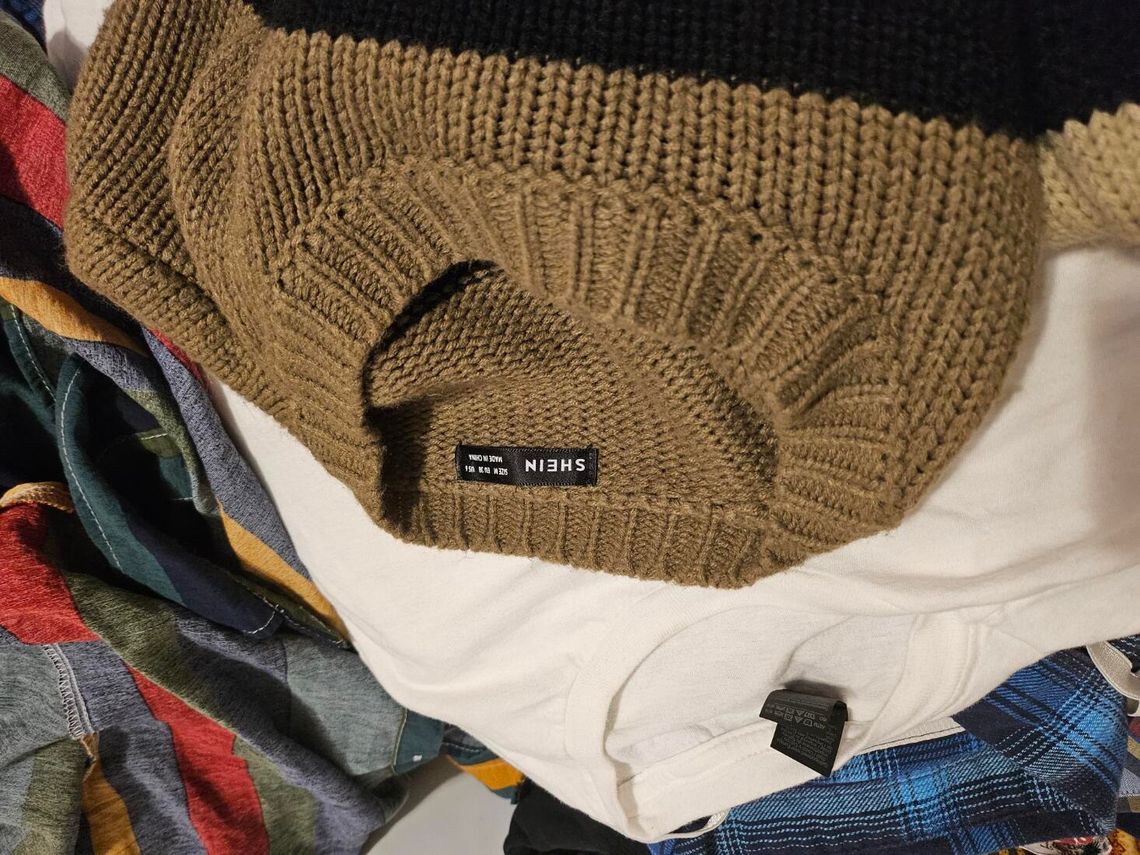
Fast fashion is mass-produced clothing that is created to match the current fashion trends, and in some cases, can be very low-priced. Retailers like Shein, Temu, Zara, Amazon, H&M and many more take advantage of their workers to make more money.
People make clothes, and the cheaper the labor, the more profit companies make when the product is sold. When fast fashion brands sell clothes for these unrealistic prices, the deal is only good for the buyer and the seller, not the worker.
These factories are usually run in countries that have fewer labor laws and lower standards of employment.
Oftentimes, workers earn just pennies an hour and labor in extreme conditions. Some fast fashion companies also seek out and hire individuals who have fewer options due to their social status.
The Voice is an Irish environmental organization, and its Fabric of Change project is designed to raise awareness and bring light to more sustainable alternatives.
“The industry favors women because they usually are cheaper labor, with lesser bargaining power and can be easily replaced,” the Voice shared on its website. “This results in intolerable conditions and wages that don’t reflect the hard work and set of skills necessary, such as Bangladeshi workers, earning approximately $96 per month, which is 3.5 times less than the recommended amount for a decent living wage in the country.”
The wages offered to the workers are not livable, but with limited options and constant demand, the workers continue to stay in these factories.
According to the U.S Department of Labor (DOL), the cycle of low wages happens continuously.
“These garment producers are caught in the never-ending cycle to rapidly produce the newest clothes at the lowest cost for consumers. As a result, many garment producers, manufacturers and retailers sacrifice workers’ wages to ensure that they can make a profit,” the DOL shared on its website.
The cycle will not break overnight, but if buyers hold companies accountable and are conscientious when shipping for new clothes, they can make a change.
Thankfully, there are alternatives that can still keep style fresh.
Researching brands before buying from them to see what kind of company they are is a great way to know if they are a sustainable alternative brand or not.
Earth.org (EO) has a mission to help bring about a societal change towards sustainability. It covers some of the things to look for to find out if a brand is ethical and sustainable.
“…look out for certifications from third-party organizations like Global Organic Textile Standard (GOTS), which sets a global standard for organic textiles, or Fairtrade, which is an internationally recognised and trusted label for sustainability,” EO stated on its website. “Brands that are certified by these organizations are generally proud of the fact and would showcase those certifications, telling consumers that they have adopted a sustainable model.”
Fairtrade is designed to ensure fair wages and good working conditions. This way, shoppers can support brands that support their workers.
Another way to fight fast fashion is to shop second-hand, by thrifting and trading clothing with friends and family. This keeps clothing from ending up in landfills and can be a more affordable way to refresh the wardrobe.
Second-hand shopping and thrifting can also be a great way to hang out with friends and have a good time. The selection of clothing is different from place to place, so there is almost always something new to find.
Renting clothes is also an option. Sometimes people need a new outfit for a special occasion like a wedding, party or event. Often these outfits get worn once, as the next occasion gets its own new look.
Renting from online services can let shoppers choose what they want, wear it to the event and send it back to get a fresh look for next time.
There are many downfalls to fast fashion, but everyone has the chance to make a difference.
Comment
Comments