.png)
BY COLTON BRADBERRY
Managing Editor
When I first stepped off the plane in Washington, D.C., I knew this trip was going to be something special. The College Media Association’s MediaFest wasn’t just another conference; it was a chance to learn from the best in the business and to see how the lessons I’ve learned at Tarleton State University translate into the real world.
I arrived in Washington, D.C. with a notebook, a half charged phone and that mix of nerves and excitement that shows up when you know you are about to learn something important. College Media Association’s MediaFest had been circled on my calendar for months. I knew there would be sessions and speakers. I did not realize how much the experience would change the way I think about journalism and the kind of journalist I want to become.
The days started early and ended late. In between, I kept finding myself in rooms where people spoke with the kind of clarity that makes you sit up straighter. One morning, a speaker laid out what it takes to thrive in today’s newsroom.
It was not a lecture about buzzwords. It was a reminder that craft and curiosity still matter and that audiences are not abstractions. They are people with questions, habits and limits on attention. If I want them to trust me, I have to earn it with useful stories, clean data and decisions that respect their time.
Later that afternoon, the tone shifted. A panel spoke about the emotional weight of crisis reporting. They did not dramatize it. They told the truth. Reporters meet people on the worst days of their lives and then go home with those stories still echoing.
No one pretended there was a quick fix. What I heard instead was a plan for doing hard work without losing yourself: set boundaries, debrief with people you trust and recognize that empathy is not a weakness.
We can’t tell other people’s stories well if we don’t also take care of our own hearts and minds.
The most electric session for me pulled back the curtain on fast moving investigations. A journalist from The Washington Post walked through how a lead becomes a finding and how a finding becomes a story that stands up to scrutiny. Nothing about it felt glamorous. It was phone calls, records requests, team huddles and a stubborn insistence on getting it right.
He described work on law enforcement communication failures and the harm caused by predatory online groups. The lesson was simple and serious. Real reporting takes time, collaboration and courage. If you are lucky, it also makes a difference.
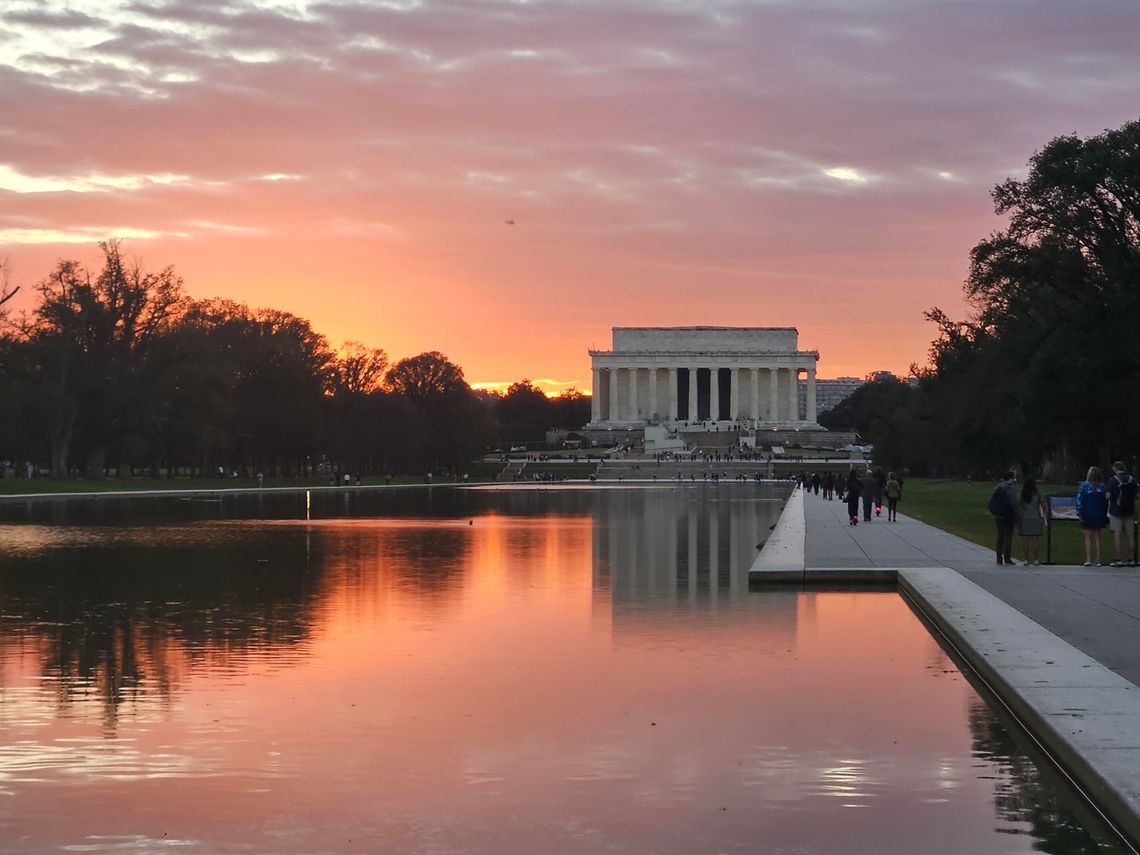
Of course, it was not all rooms and lanyards. We walked the city like students of history. We walked along the National Mall, stood before the Washington Monument and reflected at the World War II Memorial.
We looked through the fence at the White House and I caught myself thinking about all the times a press gaggle has waited on that driveway for a statement that would move markets or hearts. Each stop made the same point in a different way.
I want to sincerely thank Tarleton State University and the Communication Studies Department. We are deeply thankful for the opportunity to learn, grow and represent our university in Washington, D.C.
Comment
Comments