.png)
 Andrew Utterback
BY ANDREW UTTERBACK
Podcast Producer
The iPhone Air is the most impressive phone I’ve used in a long time.
It also has the fewest cameras of any of the new iPhones, along with the worst battery life and most general compromises. Oh, it’s also $999, which is $200 more than the base 17 and only $100 less than the 17 Pro. It’s a hard sell on paper.
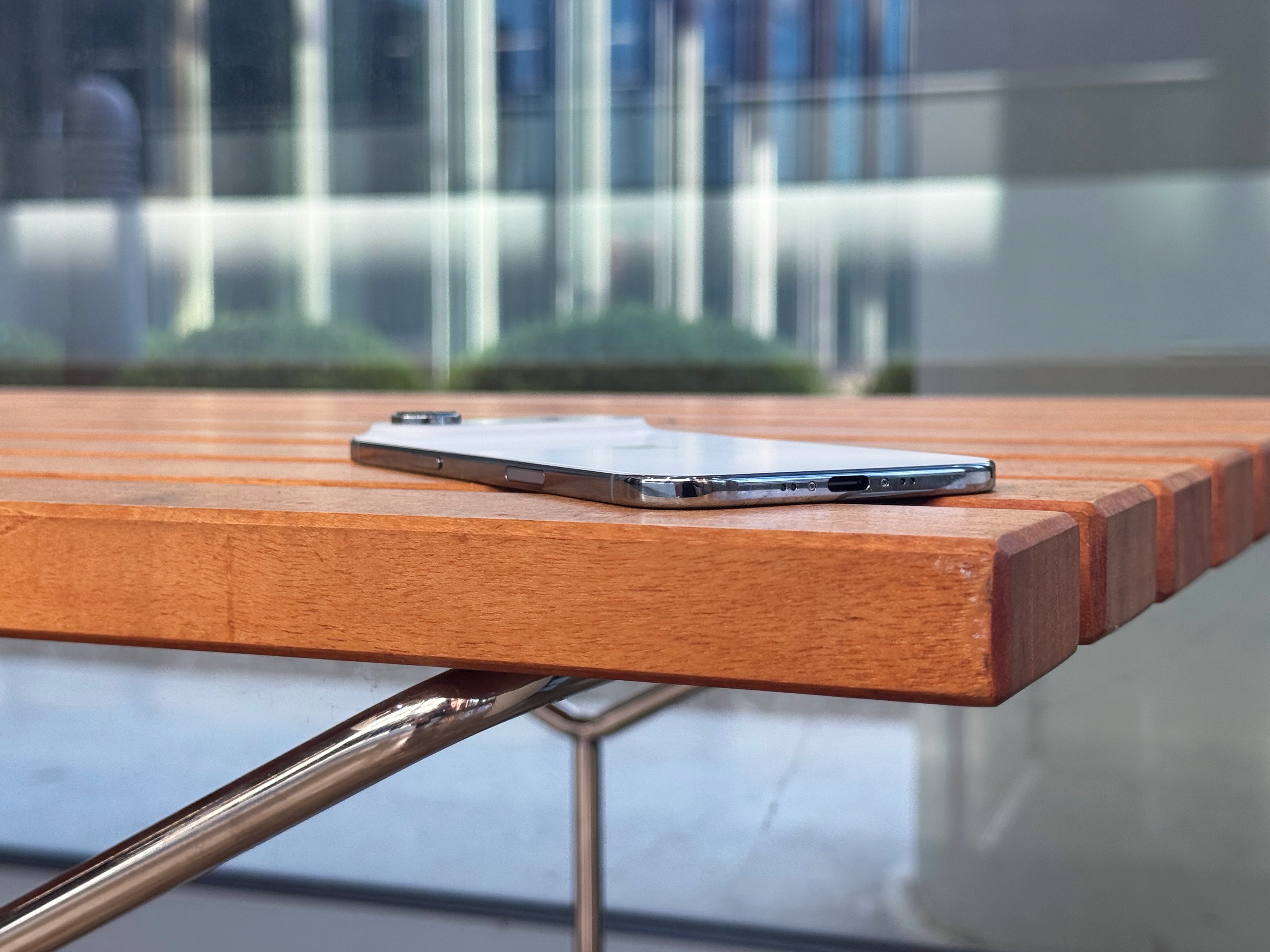
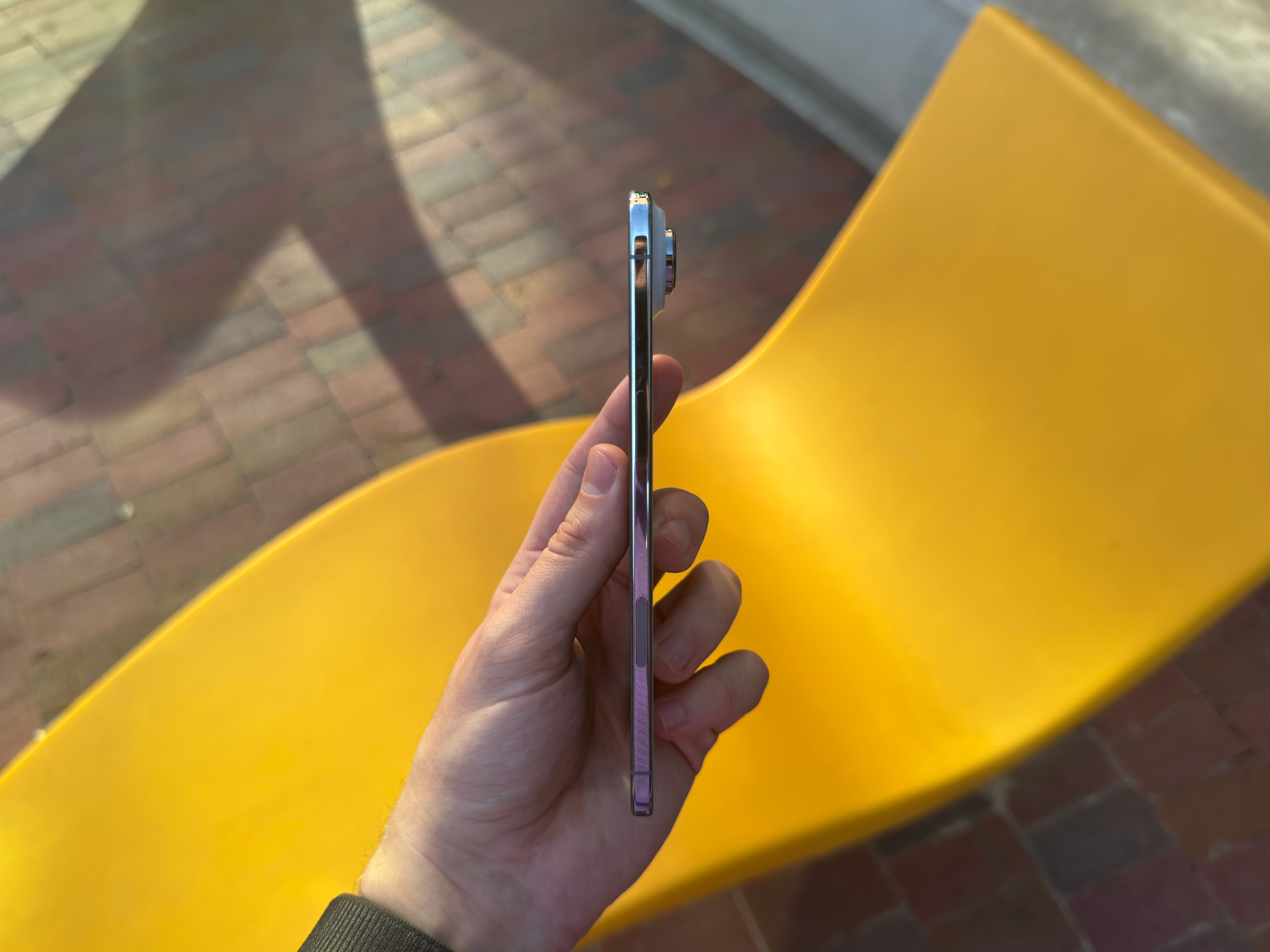
However, the Air clocks in at a thickness (or rather thinness) of just 5.6mm. That’s thinner than a number 2 pencil, about as thick as three stacked US quarters and thin enough to make this phone feel impossibly thin not just the first time you pick it up, but for me, every single time after.
That right there—the thinness—is essentially the entire selling point of the Air.
To achieve this wildly thin iPhone, Apple made tradeoffs. Obvious ones like battery size and the number of cameras, as well as not so obvious ones like haptics and speakers.
The question you have to ask when looking to buy the Air, is simply this: Are the compromises worth it for me?
I’ll hit all the points of a normal phone review, but I think the best way to view the Air in general is by looking at what it lacks. We’ll start with some positives, though.
What is it like to use a phone this thin?
First of all, you don’t get used to it. Or at least, I didn’t in my two weeks of testing. I’m trying not to overstate that the phone is thin, but every time I pulled this phone out of my pocket or picked it up off a table, without fail, that was my first thought.
I even found myself being more careful when putting this phone back in my pocket because it’s easier to miss. Once safely stowed, the slimness and lack of Pro Max heft made this a much easier phone to carry around.
While the 17 Pros moved back to aluminum this year, the Air stuck with titanium sides and a frosted, Ceramic Shield glass back. Apple made confident claims about the Air’s durability, which YouTube creator JerryRigEverything seemed to prove true in his durability test. I wouldn't doubt the Air’s ability to survive the same drops and scuffs any normal phone would go through.
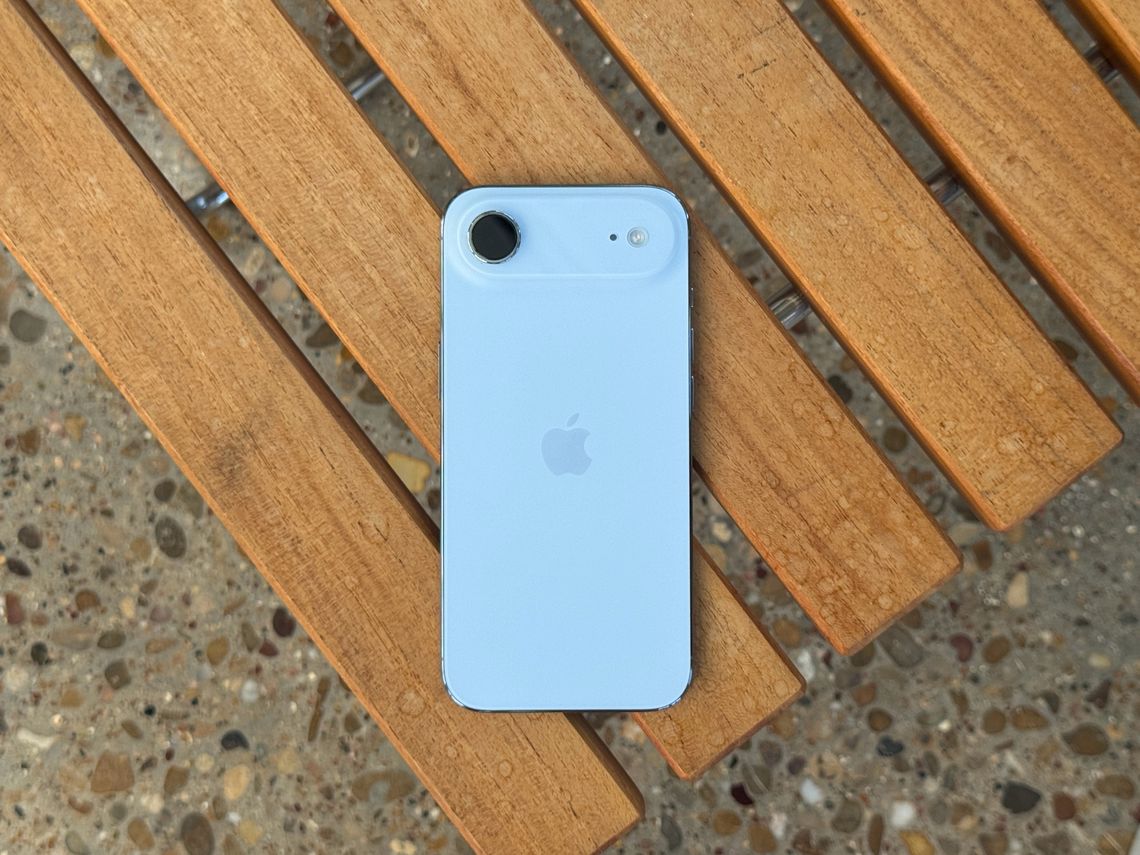
Design wise, the Air looks excellent. I opted for the Sky Blue, which has a soft frosted finish that makes it look closer to white in certain lighting. The Air’s camera and flash sit atop an extended camera bump that Apple dubs the “Camera Plateau” which houses almost all the internals of the phone. This allows for most of the Air’s internal space to be filled with battery. The plateau makes a nice resting spot for your finger when balancing the phone in your hand and keeps the phone from rocking on a table if you’re using a case.
The Air’s display is, thankfully, compromise free. We get a 6.5 inch 120hz OLED that can now hit 3,000 nits of peak brightness. Aside from the obvious notable difference in using the Air, this was what I noticed the most.
The Air, in direct sunlight, is perfectly readable and probably brighter than it even needs to be. I can read the Air’s display perfectly in direct sunlight, even with sunglasses on – something I couldn’t say about the 2,000-nit iPhone screens of yesteryear.
Here’s where the compromises start. That one camera we get is the same 48mp Fusion camera from the rest of the 17 series. Apple loves to talk about how the optical crop on this camera makes it just like having multiple cameras, but the Air only having one is a little disappointing.
You do still get the 2x crop as well as the 28mm and 35mm equivalent modes, which allows for some flexibility. I find myself using these modes almost every time I take a photo and somewhat make up for the lack of a telephoto. At least for portraits.
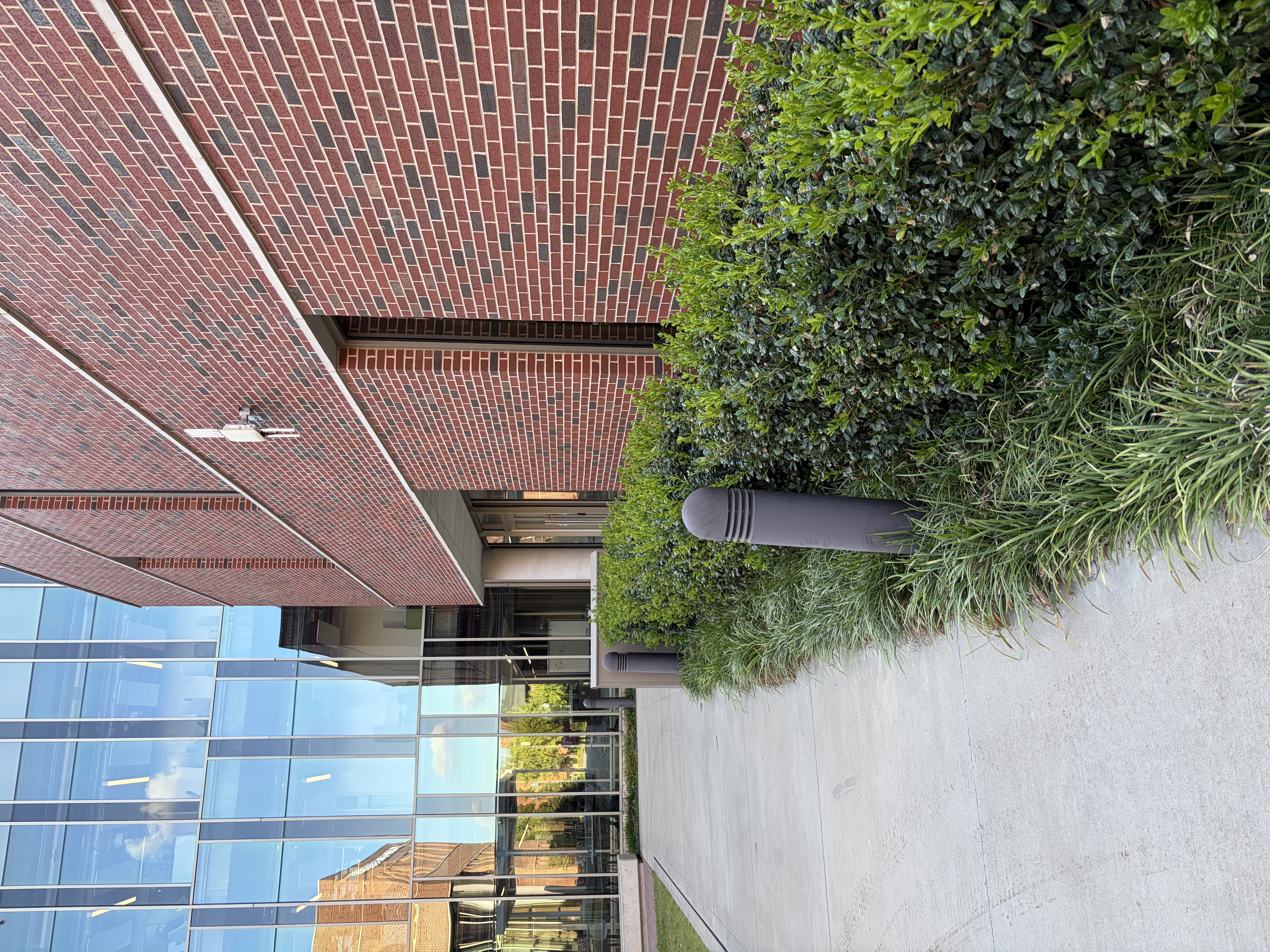
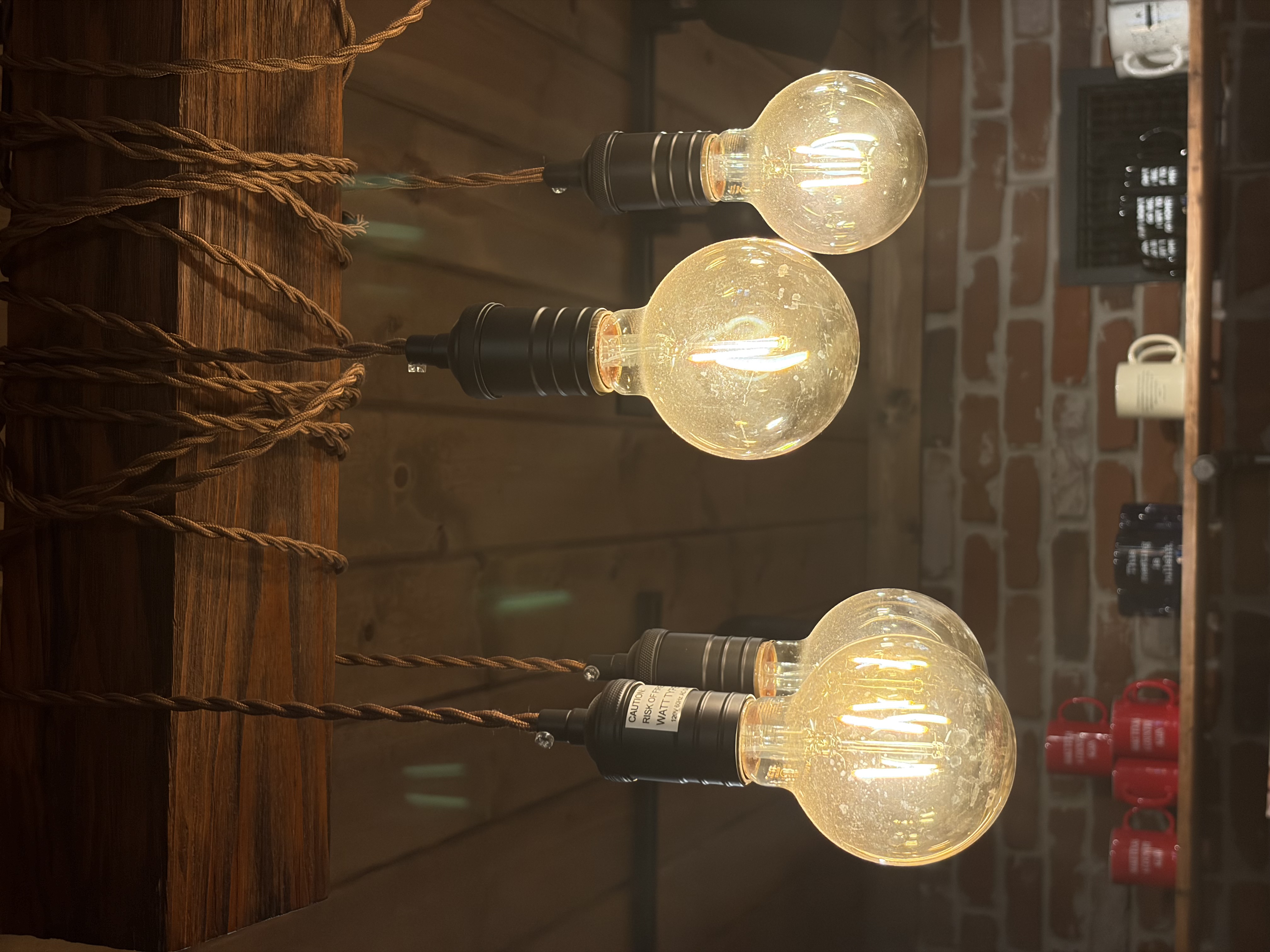
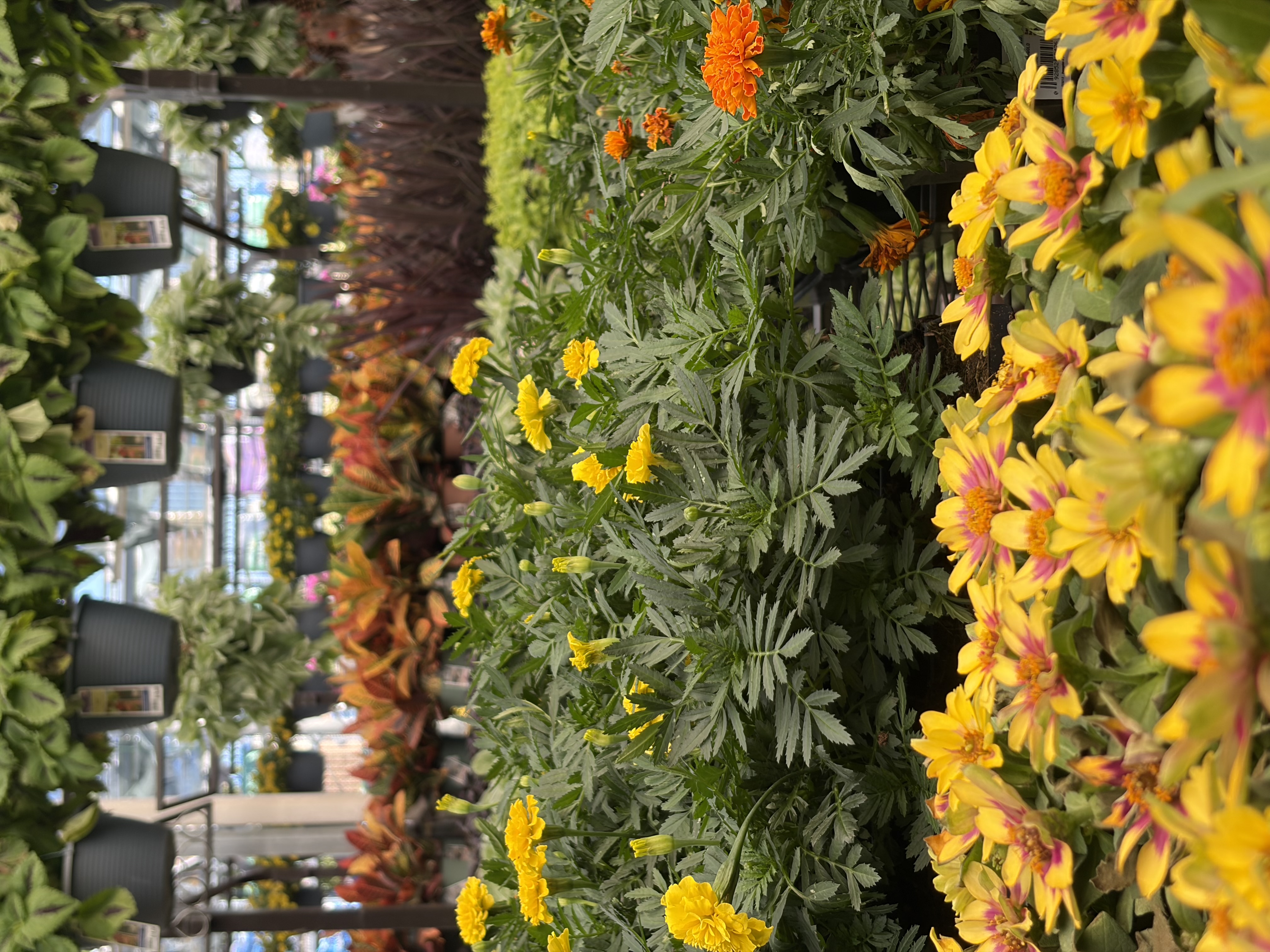
The lone camera we do get though is excellent. In my testing, this camera produced results that were noticeably sharper than my 15 Pro Max with slightly bolder colors that I greatly preferred. Having just the main camera didn’t necessarily bother me every day, but now and then I would miss having the extra flexibility of at least an added ultra wide camera.
The biggest camera improvement across all of this year’s iPhones is the selfie camera. We now have an 18mp Center Stage front camera with a square sensor. This allows you to take landscape selfies of a group of people without having to rotate your phone. You just hold it vertically, press a button and it zooms out to fit everyone in the frame.
This was by far the feature that everyone I showed the Air to found the most impressive. The photos that I got from the front camera are equally impressive. There’s a noticeable difference in quality with much better detail, slightly bolder colors and improved video. Skin tones also looked much more accurate, and selfies lost the overly cool tone that my 15 Pro Max tends to have.
This new camera also brings Center Stage to video calls, allowing you to move around the frame and have the camera “follow” you, as well as stabilized selfie video, and for the first time, dual capture video. This could be done with third party apps before, but now you can take a video and record footage from both the front and back cameras simultaneously. As you can imagine, packing a charger is probably the right move for photo/video intensive days.
The Air’s battery life was, from day one, the main concern of almost everybody who watched this year’s iPhone event. Apple didn’t ease nerves when they not only sold a MagSafe battery bank alongside the Air (one that only works with the Air), but advertised the Air’s battery life with a number that included the added juice from the battery bank (Up to 40 hours of video playback with the battery pack and 27 hours without).
I used the phone both with and without the $99 battery, and you’ll probably want to spend the extra money.
The Air by itself got me around 4-5 hours of screen-on-time, which was adequate enough for my typical usage of social media, texting and music. On regular days, I would just top up the battery whenever I was home and go on with my day. On days when I wasn't home very much, that’s when the Air was a concern.
I would be under 50% battery by late lunch time and would find myself popping on the MagSafe battery to charge back up. I will say, with the battery bank, the Air’s battery performance is good. I could use it down to 20%, usually charge back up to almost 80%, and then be fine the rest of the day. I do use my phone quite a bit, so battery performance without the bank may be fine for the less screen-tied.
Performance on the Air is excellent. The A19 Pro is as snappy as ever and had no problems with anything I threw at it. Gaming performance was solid, although the Air did throttle after a while, and everyday use was hiccup-free, with noticeably fewer refresh-rate frame drops than my 15 Pro Max.
The Air also features Apple’s new C1x cellular modem and N1 chip for all other wireless connections. I noticed no difference in cellular performance across the board which is probably the best-case scenario for Apple here. These in-house modems allow for much improved power efficiency, which Apple claims makes the Air the most power efficient iPhone yet.
A few more tradeoffs before we wrap up. The speaker on the Air (Yep, only one) is at the top of the phone, so when you’re watching a video holding your phone sideways, the audio only comes out of the top speaker above the Dynamic Island. This is fine for scrolling and basic usage, but it does let you down when showing videos to a group or even just watching a movie.
The Air’s haptic engine is less powerful, resulting in weaker vibrations and the flashlight on the back doesn’t allow for width-adjustment (A major deal breaker for all, I’m sure).
The iPhone Air is a statement piece from Apple that showcases, quite well, the very best design possible. And for some, that’s what they want in a phone. Others will notice that the price of the Air and the MagSafe battery is the same as the 17 Pro and just opt for the latter, which is a better phone in just about every way.
I can really see the Air’s appeal, though. Every time I pulled this phone out to use it, it just felt cool. I was holding a remarkably thin and light piece of titanium that still had the same display and performance specs as the Pro iPhones.
The most exciting part about the Air isn’t even here yet. Apple is rumored to be releasing a folding iPhone as soon as next year, and I imagine that would look a lot like two Airs with a hinge between them.
This phone is a promising glimpse of the future, and an amazing phone to use if you’re okay with some tradeoffs.
It’s a value proposition that makes no sense, until you pick it up.
Comment
Comments