.png)
BY COLTON BRADBERRY
Managing Editor
Every year, when holiday decorations start going up and streaming services begin rolling out their Christmas collections, I notice the same argument popping up again. People want to know what actually makes a Christmas movie. I have my own favorites, and I am sure everyone else does too, but the debate feels bigger than personal taste.
Movies like “It’s a Wonderful Life,” “Elf” and “The Santa Clause” have shaped what many of us expect from the holiday season. Still, the definition has stretched over the years, and that is how we ended up with one of the most passionate debates in pop culture: whether “Die Hard” counts as a Christmas movie.
Before I even get to that, I have to admit that figuring out what qualifies as a Christmas movie is more complicated than it sounds. A lot of people start with the setting. That seems obvious enough. They should all take place during Christmas and rely heavily on the season’s atmosphere. I grew up watching films like “Home Alone” and “Polar Express,” and even now I can picture their snowy streets, glowing lights and crowded living rooms.
But a December setting alone does not make something a Christmas movie. There are plenty of films that throw in a holiday scene without making Christmas essential to the story. I have watched romantic comedies, dramas and even action movies that use Christmas as little more than background decoration.
The difference with true Christmas movies is that removing the holiday would change the story completely. “Home Alone” would not happen without the family leaving for a Christmas trip. “Elf” depends on Santa’s workshop and the magic of the North Pole. “A Christmas Story” only works because it builds toward Christmas morning.
Along with setting, I have always felt that themes matter just as much. Most Christmas movies revolve around generosity, forgiveness, family or emotional growth. That is what gives them their sentimental pull.
“How the Grinch Stole Christmas” shows that the holiday is about community rather than gifts. “It’s a Wonderful Life” reminds viewers that ordinary people can have enormous impacts on those around them. Even animated films like “Arthur Christmas” focus on belief and kindness. These stories give people something emotional to hold onto, which is why they become traditions.
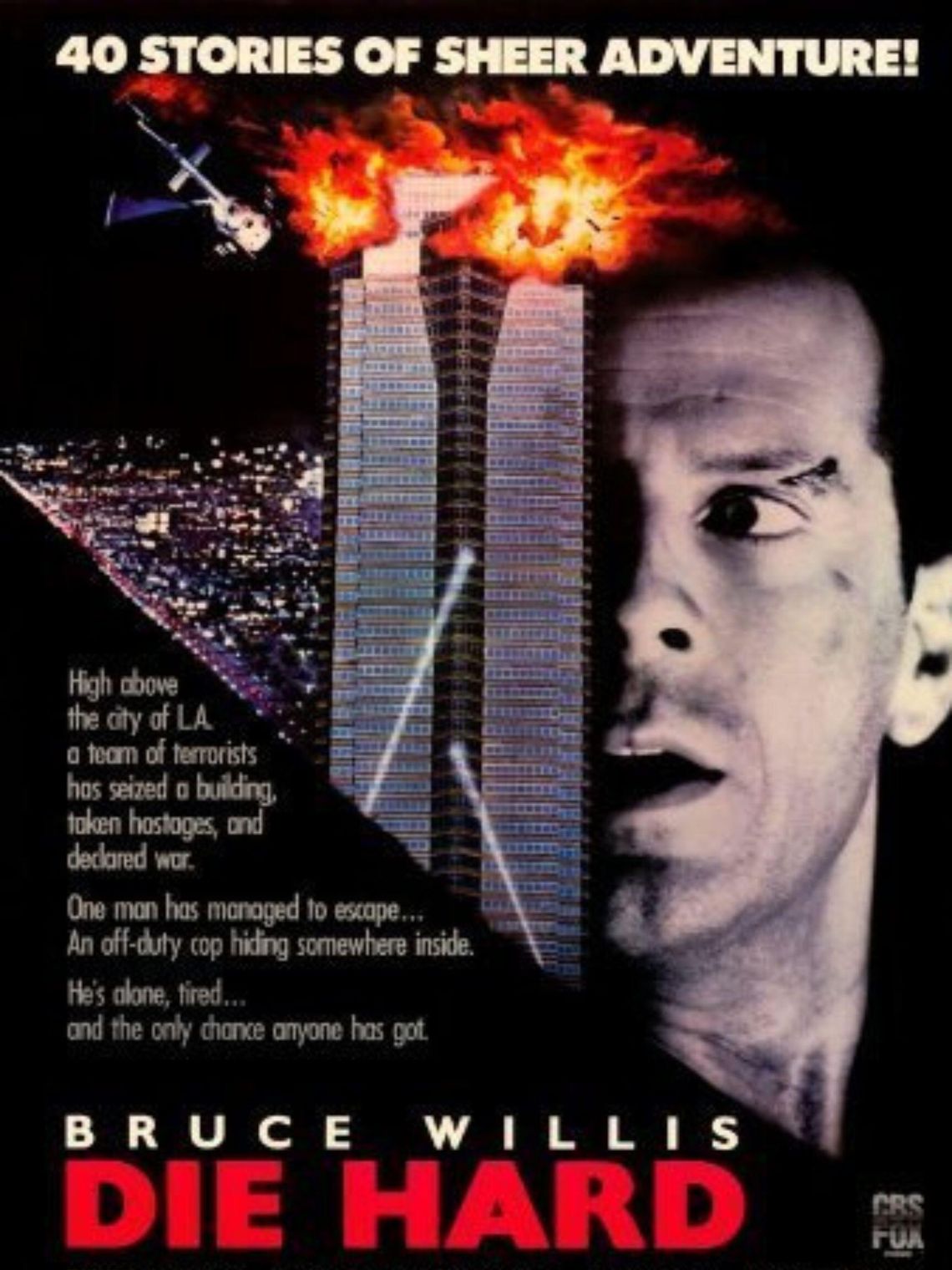
With all of that in mind, I come back to “Die Hard.” Every year someone in my life insists that it is a Christmas movie. I always hear the same points. It takes place at a Christmas Eve office party. There are decorations. There are a few holiday jokes. I get why people bring it up. It is a movie that a lot of families watch during the holidays, and traditions are personal.
Still, when I look at what actually defines a Christmas movie, “Die Hard” does not fit. The entire story centers on a police officer trying to save hostages from a group of terrorists who have taken over a skyscraper.
The conflict, character motivations and emotional tension do not rely on Christmas at all. If the movie took place during the summer or at a random company event, the plot would stay almost exactly the same. That is not true for classic Christmas movies, which usually fall apart without the holiday in place.
The themes are another reason I do not count it. Christmas movies, at least the ones that endure, usually share ideas about hope, generosity, faith or community. “Die Hard” is about danger, violence and survival. That does not make it a bad movie. It is actually a great action film. But it does not explore the spirit of Christmas. It does not aim to leave viewers feeling warm or reflective. The tone is gritty and intense instead of comforting.
There is also the tradition argument. I know people who watch “Die Hard” every December, and they swear that makes it a Christmas movie for them. I understand that point, but personal tradition is not the same as genre. If tradition defined genre, then “Harry Potter” and “The Sound of Music” would be Christmas movies too, because plenty of families watch them every year around the holidays. A movie can be a seasonal favorite without being a holiday film.
When I look at all the defining features of Christmas movies, the line feels clear. “Die Hard” is an action movie that happens to take place during Christmas. It is not a Christmas movie that happens to include action scenes. Christmas does not drive the story. The themes do not fit the holiday genre.
Figuring out what makes a Christmas movie is not something that can be pinned down with one clear definition. For me, it comes down to the feeling the film creates. When the year winds down, people look for comfort, nostalgia and a sense of connection. Holiday movies help them tap into that mood. Whether the story involves Santa, family traditions or a character finding some kind of redemption, Christmas movies offer an emotional space people naturally gravitate toward in December.
“Die Hard” might still be a holiday tradition for many households, and there is nothing wrong with that. But when I look at the elements that define the holiday genre, it becomes clear to me that it is not a Christmas movie. It is simply a great action movie that people enjoy watching at Christmastime.
Comment
Comments