
 Taezer Thompson
BY TAEZER THOMPSON
Multimedia Journalist
Tarleton State University’s first brick building began with bricks made in Thurber, Texas. The building where these bricks were built are now gone, but Tarleton runs a museum near the remains of the coal town that supplied it.
Marston Science Hall, built when the university was still John Tarleton College, used bricks donated by the Texas and Pacific Coal and Thurber Brick companies. It was the first red brick building on campus. After the hall was torn down, its bricks were reused in another campus building, which has also since been demolished.
About 30 minutes north of Stephenville, Tarleton’s W.K. Gordon Museum and Research Center tells the story of the people who made those bricks and mined the coal that drove Thurber’s economy. Inside, a film and exhibits trace the town’s growth, working life and the decline that followed. Outside, the brick smokestack standing tall across Interstate 20 is one of the clearest signs that a town once stood there.
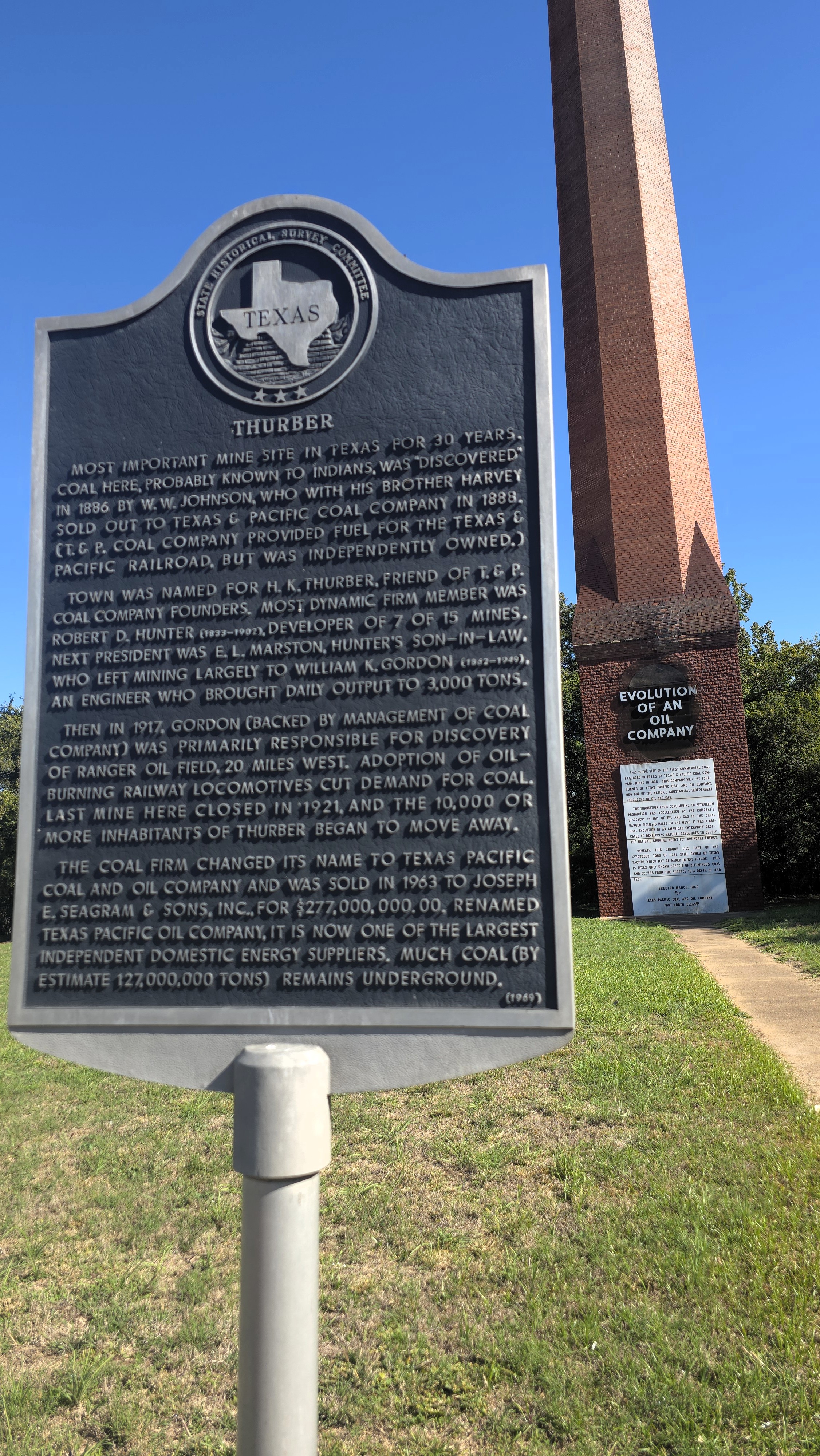
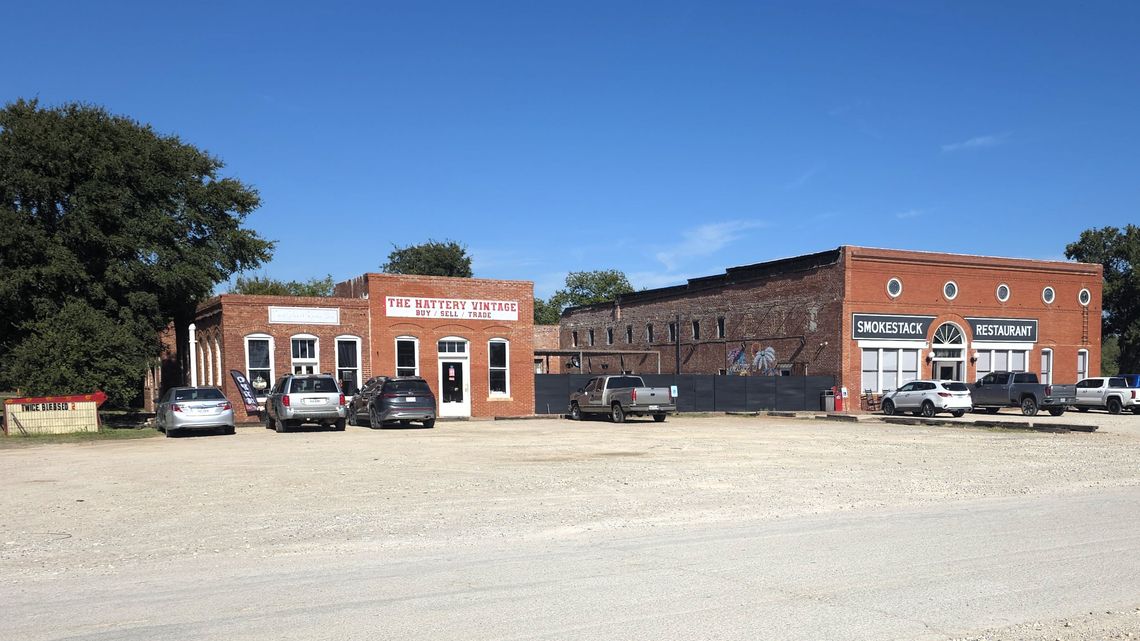
Thurber Brick was a company in the far northwest corner of Erath County. The Texas and Pacific Coal Company owned homes, schools, churches and stores where its workers and their families spent much of their lives. Coal mining began in the area in 1886, and investors took over the operation two years later. The town was named for one of the investors, Horace K. Thurber.
The mines drew workers from across the United States and overseas. Immigrants from Italy, Poland, Britain, Ireland and other countries settled in Thurber, bringing different languages and customs to a town built around a single business. At its height, around 1918 to 1920, Thurber may have had 8,000 to 10,000 residents according to the Texas State Historical Association.
The town had an opera house, hotel, churches, schools and shops. The now ghost town was once bustling with daily life.
The museum’s film describes dances, concerts and the lakes where residents spent time with families and friends in the summer. It also described a substitute form of payment that allowed employees to shop at company-owned stores in Thurber. Life in this bustling city offered plenty of entertainment and community, but the company controlled housing and much of the local economy.
The company’s control over Thurber played a major role in shaping the town’s labor history. It restricted who could enter the town, including union organizers who wanted to speak with workers. In 1903, more than 1,600 miners joined the United Mine Workers union, and workers in other trades also formed unions. In September of that year, the company reached an agreement recognizing the unions. As a result, Thurber became the only city in the nation where all workers were required to belong to unions under agreements covering their specific trades.
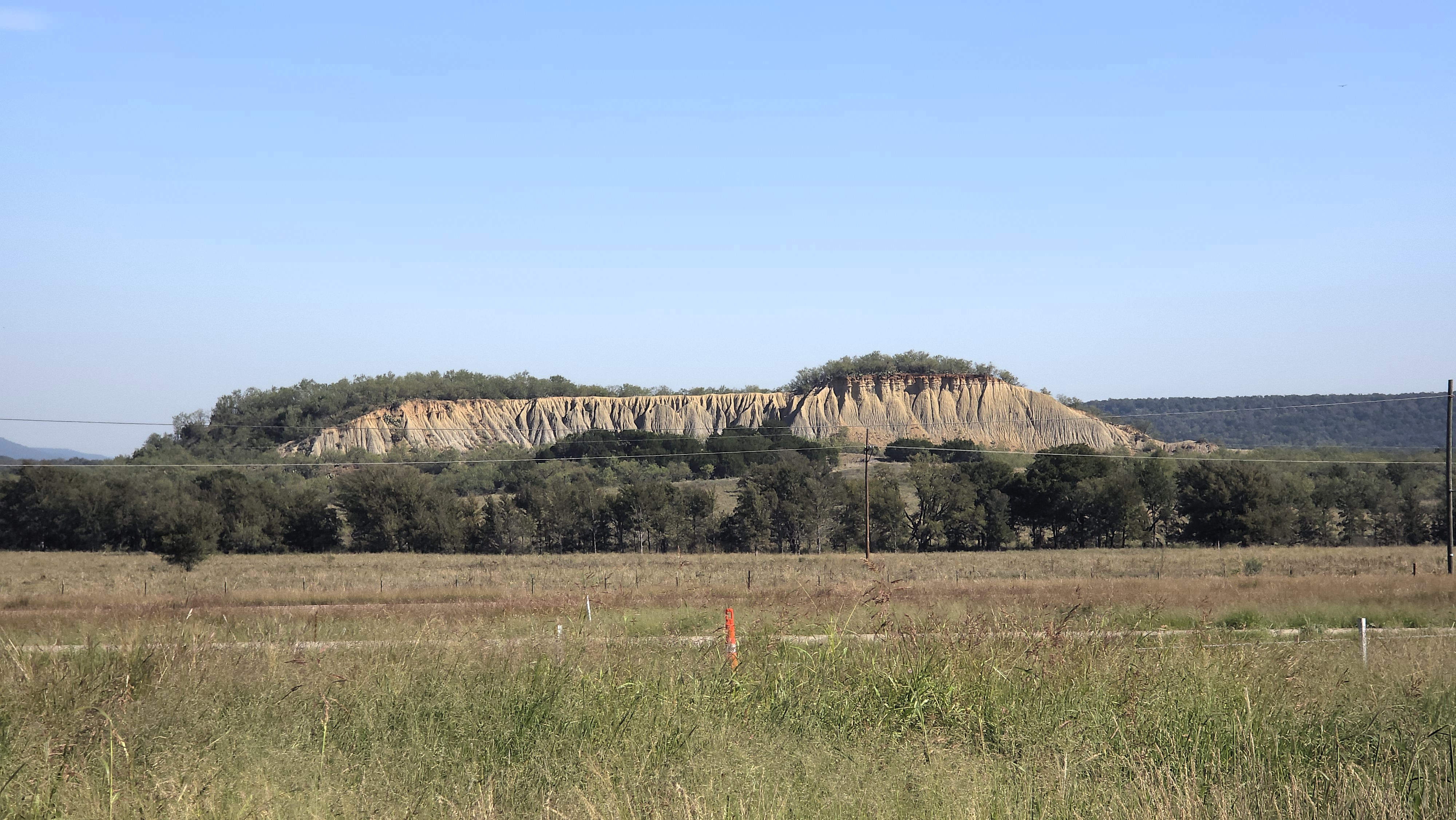
Coal was only a small part of the operation. A brick plant opened in 1897, using local shale to produce building bricks and hard paving bricks. Thurber pavers went into Congress Avenue in Austin, Camp Bowie Boulevard in Fort Worth and streets elsewhere in Texas. The plant gave the town another industry and left physical traces far beyond Erath County.
Its Tarleton connection went beyond Marston Science Hall. Tarleton’s historical records credit Pearl Wiley Cage with persuading businessman Edgar L. Marston to donate the hall’s bricks. The records also say Cage later enlisted Marston and other business leaders to help raise money needed for the college to join the Texas A&M system in 1917.
William Knox Gordon, whose name is on the museum, joined the coal company as an engineer in 1889 and later managed its Thurber operations. He also pursued oil. His work helped lead to the discovery of the Ranger oilfield in 1917.
Oil brought profits to the company, but it also helped end the town’s dependence on coal. Railroad locomotives began burning oil instead, and demand for Thurber coal fell. Labor disputes returned as the mines declined. The brick plant lasted until 1930; by that time, Thurber was nearly empty.
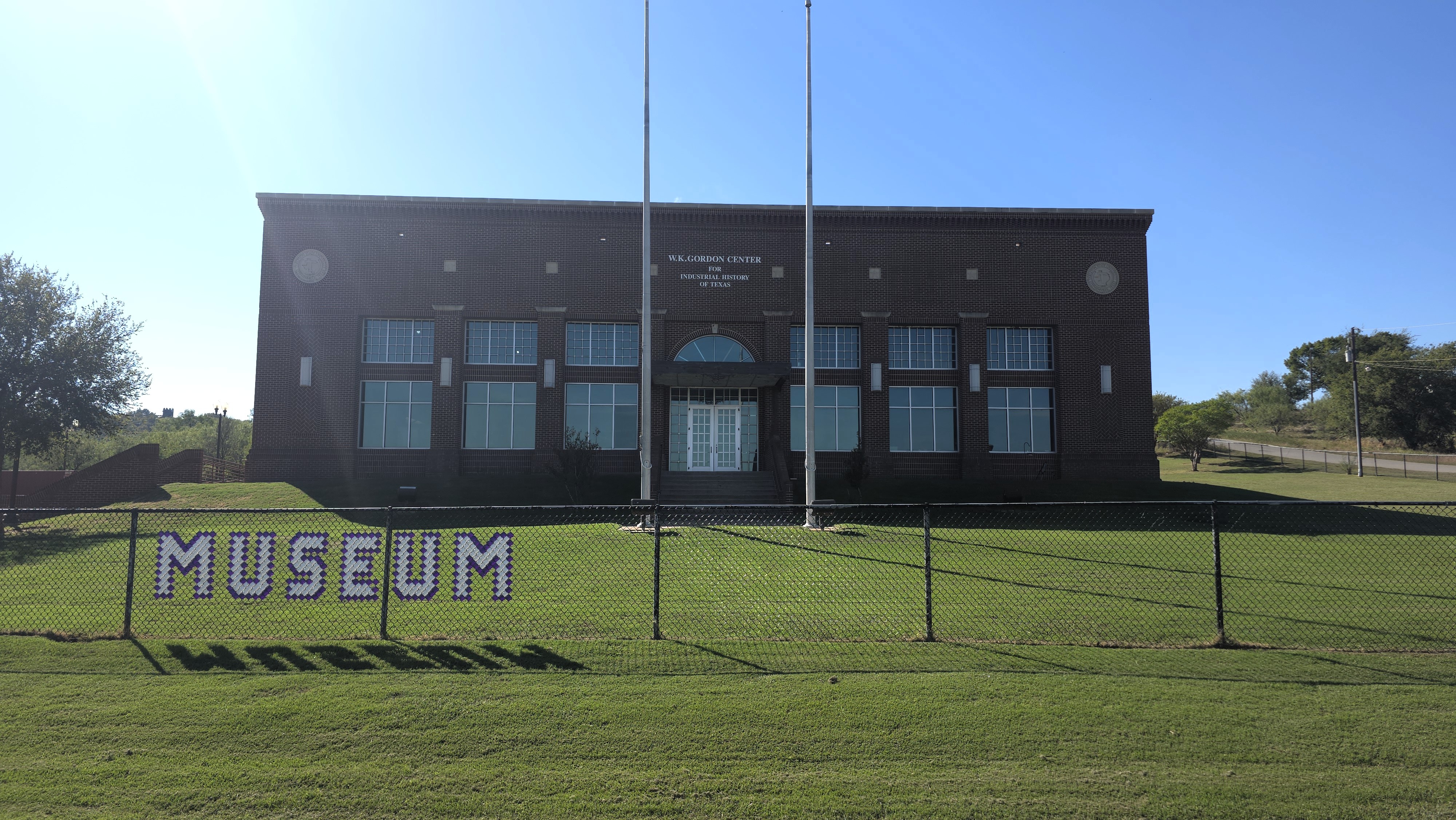
The museum preserves photographs, artifacts and recorded accounts of the town. Tarleton students, faculty and staff can visit for free. The old science hall cannot be visited. Still, Thurber’s story remains close to campus, in university records, in bricks laid across Texas and at the museum on the site of the town itself.
Comment
Comments